

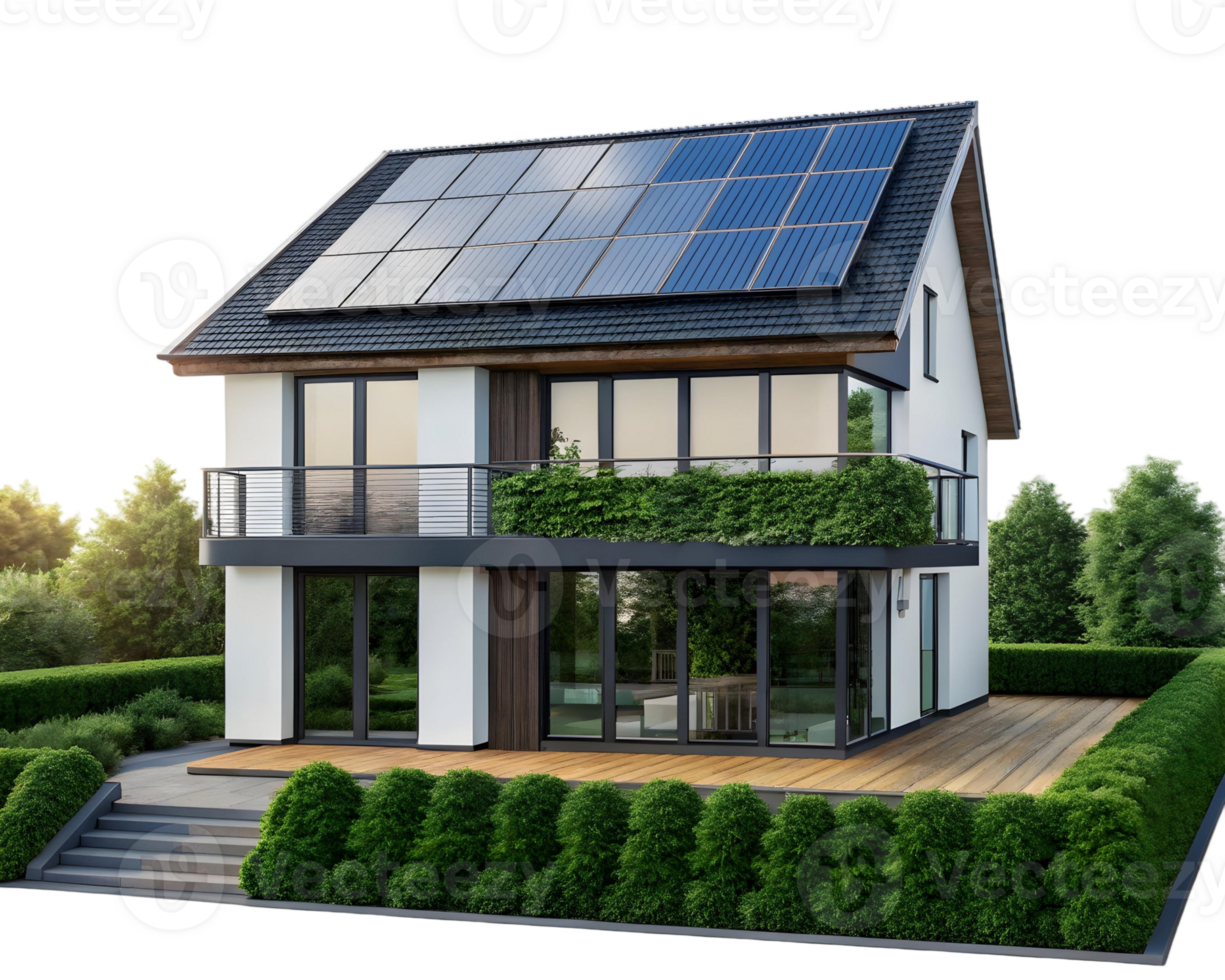
Find range of on-grid and hybrid rooftop solar panel systems in various capacities of various to brands; all designed to reduce electricity bills along with backup with hybrid system and contribute to environmental sustainability. These systems typically include high-efficiency solar panels, and grid connected inverter, a mounting structure, and all necessary wiring and safety components.
Key Features and Benefits
- Net Metering: Excess electricity generated is exported to the grid, and you only pay for the net consumption, which can significantly reduce or eliminate monthly electricity bills.
- Subsidy Eligibility: Many systems in India are eligible for government subsidies under schemes like PM Suryaghar Yojana, which can reduce the initial investment significantly (Gov. Subsidy for 2KW is Rs. 60,000.00 and Rs. 78,000.00 for 3KW and above).
- Durability: Panels are rigorously tested to withstand heavy snow and wind loads, ensuring long-lasting performance with minimal maintenance.
- Warranty: 25-year performance warranty on solar panels and a 5-year warranty on the inverters and the overall system.
System Components
On-grid and Hybrid solar system includes the following components:
Solar Panels: DCR, High-efficiency monocrystalline panels, often around 540Wp (watts-peak) per panel. They come with a 25-year performance warranty and are designed for durability in harsh conditions.
Grid Connected Inverter: The system includes a grid-tied inverter that converts the DC power generated by the panels into AC power for household use and the grid. Inverters typically have a 5-year warranty.
Mounting Structure: A galvanized iron (GI) or aluminum mounting structure is provided to securely hold the panels on the roof or ground, designed to be wind resistant.
Balance of System (BoS): This includes essential safety and connectivity components like:
i) DCDB & ACDB: DC and AC Distribution Boxes with surge protection devices (SPD) and MCBs.
ii) Cables and Connectors: High-quality, UV-resistant DC and AC cables and MC4 connectors.
iii) Earthing Kit & Lightning Arrestor: Important safety features for grounding the system and protecting it from lightning strikes.
iv) Bi-directional Meter: This net meter is installed by the local electricity board to track both the electricity consumed from the grid and the surplus power exported to it, enabling net metering benefits.
Highlights
- 2 kW system: Suitable for small spaces with modest energy needs, generating about 260 units monthly.
- 3 to 6 kW systems: Moderate space and power output options, with monthly generation increasing from 450 to 750 units.
- 10 kW system: Requires the most space (700 sq. ft) but delivers the highest monthly output of 1350 units, ideal for larger energy demands.
Loan Facility
Buyer can also avail loan facility from their concerning bank, this document provides detailed pricing, subsidy adjustments, and loan repayment schedules for various capacities of rooftop solar plants, ranging from 2 kW to 10 kW. The calculations are presented under the PM Surya Ghar Yojna, with interest rate of 6% to 9% per annum for rooftop solar installations.
Reviews
There are no reviews yet.