

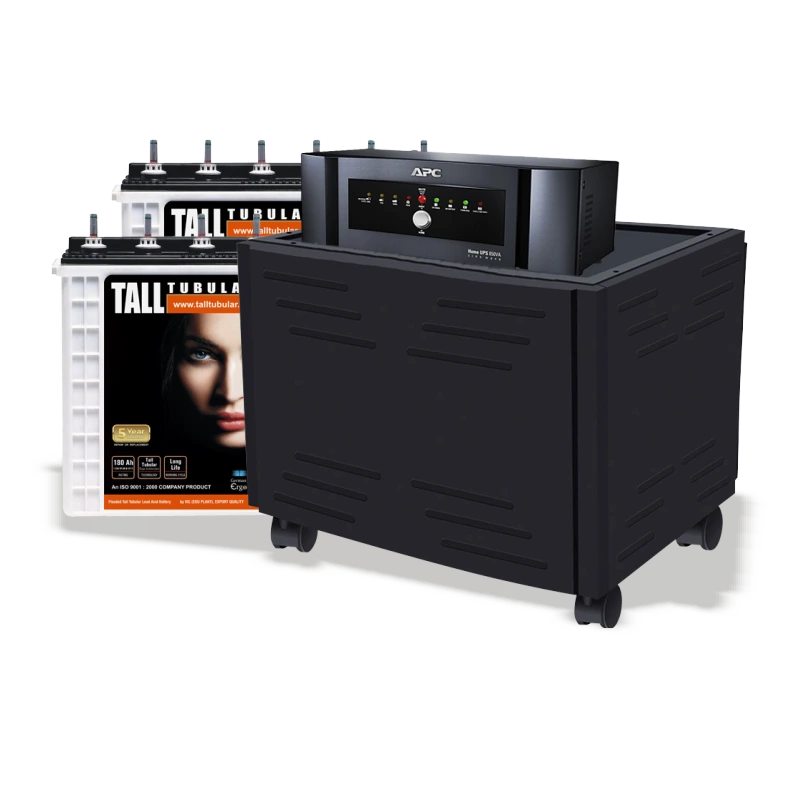
Pure sine wave inverters are recommended for sensitive electronics because they provide clean, stable power that mimics the utility grid, while deep-cycle, tall tubular batteries are ideal for reliable, long-lasting backup power.
Choosing the Right System
- Calculate Power Requirements: List all appliances you want to run simultaneously during a power outage and add up their total wattage. For a safety margin, choose an inverter with a VA (Volt-Ampere) rating at least 25% higher than your total wattage (e.g., 800 watts requires a 1000 VA inverter).
- Select the Correct Inverter Type: A pure sine wave inverter is essential for sensitive electronics like laptops, TVs, and modern refrigerators to prevent damage and reduce operational noise. Modified sine wave inverters are cheaper but only suitable for basic appliances like fans and lights.
- Choose the Right Battery:
- Tubular batteries are a popular choice for home inverters due to their long lifespan (5-6 years) and better performance during long, frequent power cuts. They require regular water level checks.
- Lithium-ion batteries are a modern alternative, offering a longer life, faster charging, and are maintenance-free, though they are more expensive upfront.
- Consider Backup Duration: Battery capacity, measured in Ampere-hours (Ah), determines how long your system will provide power. A 150Ah battery can provide backup for approximately 3-5 hours, depending on the load. Choose a higher Ah rating for longer outages.
- Look for Safety Features: Ensure the system has features like overload protection, short circuit protection, and battery overcharge protection to protect your appliances and the system itself.
Reviews
There are no reviews yet.